
By Rick Goossen
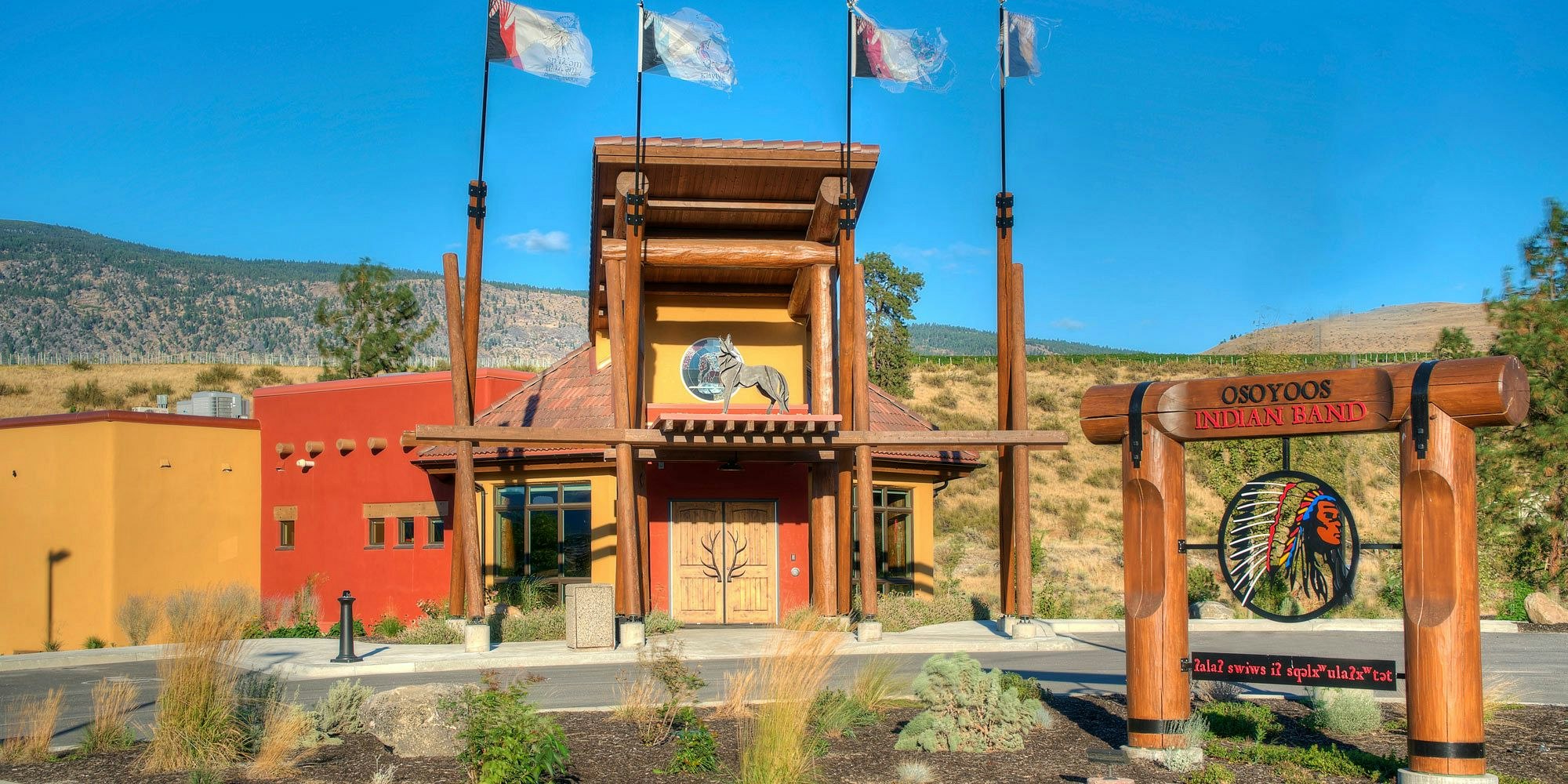
In the picturesque Okanagan Valley of British Columbia, the Osoyoos Indian Band (OIB) stands as a beacon of Indigenous entrepreneurship and economic development. Guiding this extraordinary success story is Chief Clarence Louie, a visionary leader dedicated to creating opportunities that uplift the First Nations community.


Chief Louie's remarkable achievements and leadership have garnered widespread recognition. With over 36 years as Chief of the OIB, he has received numerous accolades, including being named one of the "Top 50 Canadians to Watch" by Maclean's in 2013. Chief Louie is also a member of the Order of British Columbia and the Order of Canada. In 2019, he became the first and only First Nations person inducted into the Canadian Business Hall of Fame. Furthermore, Chief Louie holds honorary doctorates from the University of British Columbia and Queen's University. In 2021, he was appointed as a Director of BC Hydro.
Chief Louie's wealth of life and entrepreneurial experiences has led him to document his insights in his book, "Rez Rules: My Indictment of Canada's and America's Systemic Racism Against Indigenous Peoples." Through my enlightening interview with Chief Louie, he graciously shared profound insights on the OIB's entrepreneurial spirit, the significance of partnerships, and the path towards a more equitable future for Indigenous and non-Indigenous peoples.


Chief Louie's foremost objective is to create jobs and provide every member of the OIB community with the dignity of work. He recognizes that economic prosperity drives social progress and endeavours to build investments and opportunities for his people. He passionately states, "First, I love creating jobs... every First Nations person needs the dignity of a job."
Under Chief Louie's leadership, the OIB has cultivated a thriving entrepreneurial culture. Boasting more businesses and joint ventures per capita than any other First Nation in the country, Chief Louie's tireless efforts to create opportunities and be accountable for their outcomes shine through. He proudly states, "Our scorecard is probably one of the strongest in the country... I think that's a pretty good scorecard that most communities would love to have."
However, sustaining this entrepreneurial spirit within the OIB community poses an ongoing challenge. Chief Louie acknowledges the historical entrepreneurial heritage of Indigenous people, evident in their participation in the fur trade and inter-tribal commerce long before European colonization. Yet, the detrimental effects of colonialism have posed obstacles. Chief Louie emphasizes the necessity of providing economic opportunities and supporting the community's self-sufficiency to revitalize the entrepreneurial spirit. He shares, "A lot of damage has been done over the years due to colonialism... The first thing you need to do is provide the economic opportunity to support themselves."
Collaboration with external partners plays a vital role in the OIB's development. The band works closely with developers, engaging in land leases and joint ventures that span residential, commercial, and industrial projects and forestry and mining initiatives. Chief Louie acknowledges the uncertain nature of such partnerships, stating, "We're involved in everything from A – Z, but we don't know if some of those things will ever come off the drawing board... about 70% of the things we discuss with developers never happen." However, Chief Louie's pro-business approach and unwavering commitment to economic growth make the OIB an attractive and reliable partner.
When asked about the path towards improved relations between Indigenous and non-Indigenous communities, Chief Louie highlights the progress that has been made in recent years. He emphasizes building awareness and addressing historical injustices as the foundation for reconciliation. Chief Louie passionately states, "It starts with building awareness and working to right the injustices of the past... We should not solely focus on maximizing profits, but instead strive to find what is best for all."
Chief Louie advocates for companies to serve as positive forces by establishing relationships and embracing diversity at all organizational levels. He believes companies can make a more equitable impact by incorporating different perspectives. Chief Louie shares his perspective, "This is the only way companies can truly make an impact that is equitable for all."
Looking ahead, Chief Louie remains steadfast in his commitment to fostering cooperation between Indigenous and non-Indigenous communities. His vision entails adopting responsible approaches that respect Indigenous values and prioritize reconciliation over profit maximization. Chief Louie emphasizes that his work extends beyond personal interests, stating, "A Chief's work is about, and for, the whole community they belong to and also extends to their tribal nation and the rest of Indian Country."
Chief Clarence Louie's leadership exemplifies the transformative power of entrepreneurship and economic empowerment within Indigenous communities. The OIB's remarkable success stands as a testament to the possibilities that arise from creating jobs, nurturing partnerships, and embracing a responsible approach. With these principles at the forefront, a brighter and more inclusive future can be realized for all.


