
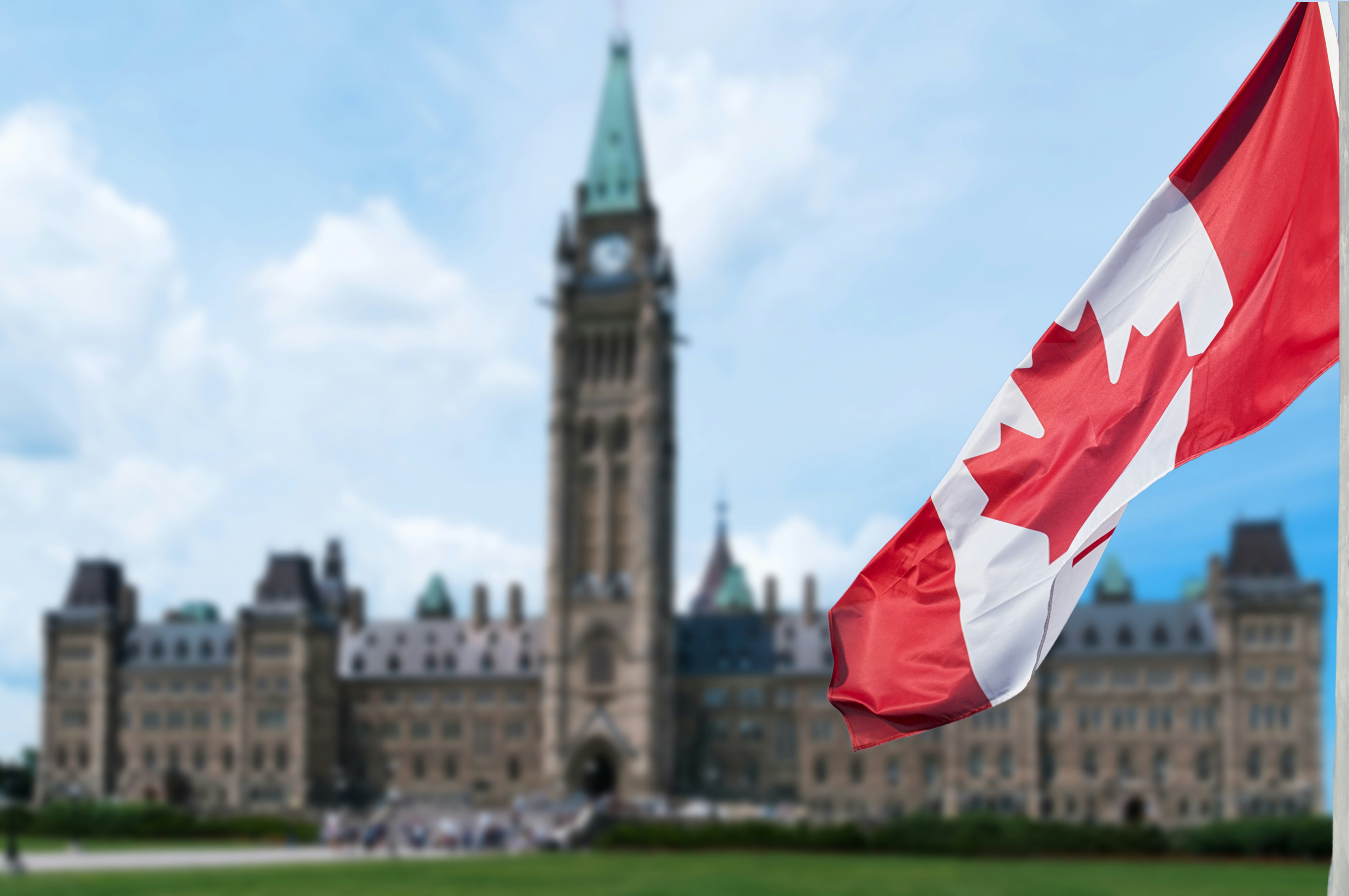
Following Finance Minister Chrystia Freeland's abrupt resignation, political instability and the looming threat of U.S. trade tariffs have intensified economic uncertainty in Canada, driving the Canadian dollar to 5-year lows and causing the S&P TSX to dip.
Freeland’s resignation could reflect broader divisions within the Liberal Party regarding economic strategy and leadership. At the core of these divisions may lie fundamental disagreements between Freeland and Trudeau over economic stimulation approaches and the management of international trade relationships, especially with the United States.
Known for her background in economic policy, Freeland has been vocal about the inadequacies of some of the government’s recent measures. While initiatives like the GST holiday and the proposed $250 working Canadians’ cheques were introduced to provide relief to Canadians, some argue these efforts fall short of addressing the underlying issues of increasing productivity and long-term economic growth. Instead, Freeland sought to prepare Canada for more substantial economic challenges, particularly in light of recent U.S.-Canada trade relationship developments.
The most immediate challenge on this front is President-elect Trump's threat of a 25% tariff on Canadian goods. However, while this prospect is certainly concerning, the probability of it being implemented is likely low. The existing trade agreement between the U.S., Canada, and Mexico, known as the USMCA is set for review in 2026. Much like Trump’s approach during his first term, the tariff threats may be more about negotiation than actual policy implementation. By invoking tariffs, Trump could be attempting to secure more favourable terms for the U.S. in ongoing negotiations, particularly as he seeks to address issues that extend beyond Canada’s borders.
While Canada is often singled out by Trump in public statements, U.S. trade concerns have tended to center more heavily on Mexico, particularly due to its role in facilitating trade routes that circumvent U.S. tariffs on Chinese goods. This focus on Mexico extends to border security issues as well, where Canadian concerns have appeared to take a back seat to the challenges along the U.S.-Mexico border.
Given this broader context, the significance of Freeland's resignation likely lies less in its implications for U.S.-Canada trade relations and more in its impact on domestic political stability. Trudeau, already facing criticism for his handling of various economic and political challenges, now finds himself without a key ally in Freeland. Her resignation comes at a time when the Trudeau government is grappling with a host of issues, including more protectionist trade, housing affordability, and the ongoing effects of higher inflation. As political unrest continues to simmer within the Liberal ranks, questions will inevitably arise about the future direction of the party and its ability to maintain the support of the Canadian electorate heading into the next election.
Freeland’s resignation is a reminder of how political events can quickly influence market dynamics. In uncertain times, investors should brace for continued market volatility. Staying disciplined—prioritizing resilience, diversification, and a long-term view—can help navigate uncertainty and preserve wealth in a changing landscape.
Read our latest Market Commentary for Chief Economist Rob Edel's view on the markets as we approach 2025: November Market Commentary
Disclaimer
This material contains the current opinions of the author, and such opinions are subject to change without notice. This material is distributed for informational purposes only. Forecasts, estimates, and certain information contained herein are based upon proprietary research and should not be considered as investment advice or a recommendation of any particular security, strategy, or investment product. Nicola Wealth Management Ltd. (Nicola Wealth) is registered as a Portfolio Manager, Exempt Market Dealer, and Investment Fund Manager with the required securities commissions.

