
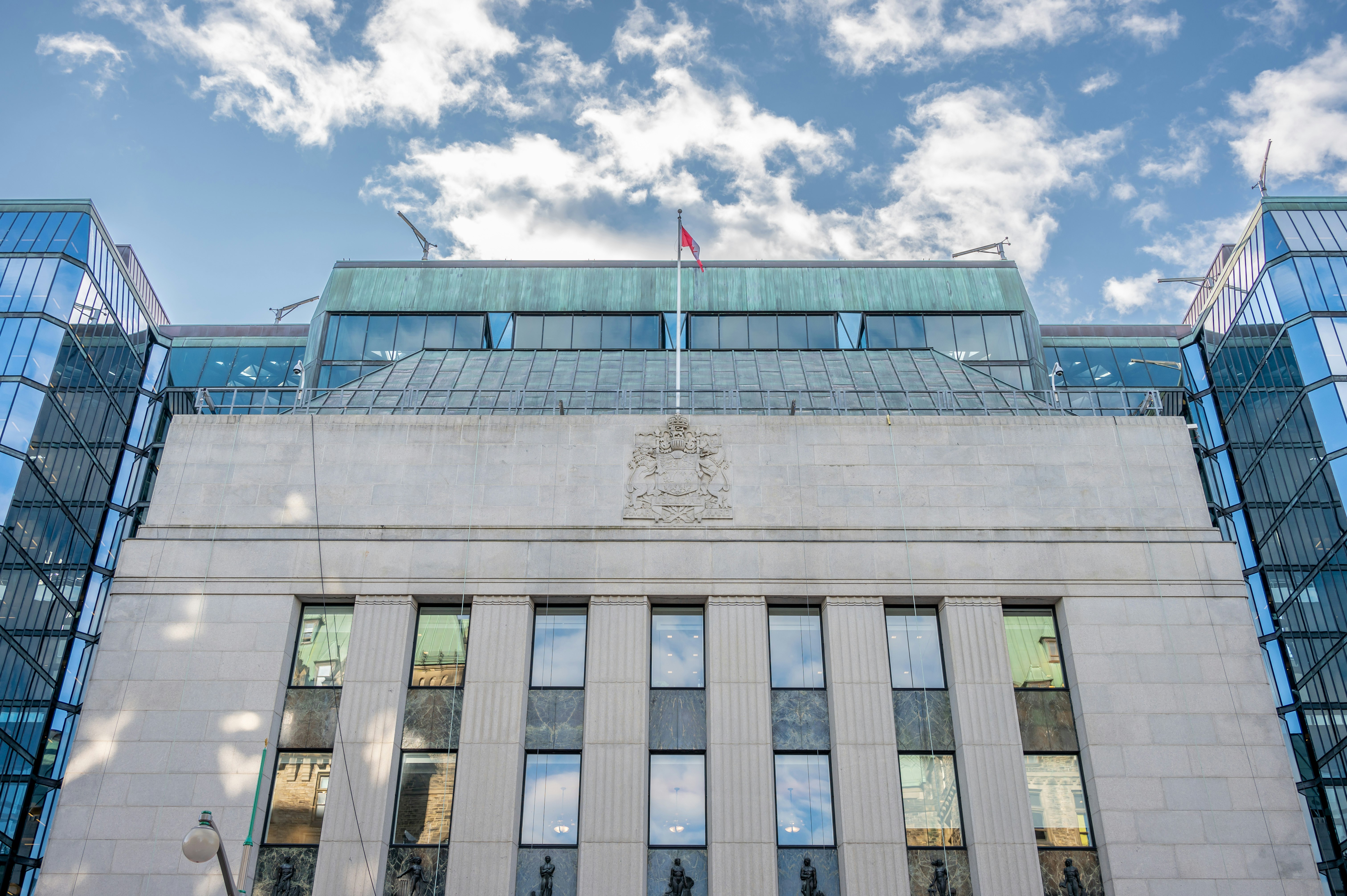
Interest rates recently underwent an expected decrease when the Bank of Canada lowered them from 5% to 4.75%. This adjustment occurred alongside slower-than-predicted GDP growth and a downward trajectory in inflation, prompting the Bank of Canada to implement its inaugural rate cut. Canada's primary aim with these cuts is to ease monetary policy rather than actively stimulate economic growth.
Concerns persist regarding how closely Canada can align with the monetary policies of the United States. However, the Bank of Canada has indicated that such concerns are not immediate. Their remarks and demeanour suggest a dedication to ongoing evaluation based on data, indicating potential further cuts ahead, albeit at a gradual pace. Current market expectations include approximately two additional rate cuts by year-end, a projection we deem reasonable. With four more meetings on the horizon, we anticipate a measured strategy involving alternating rate adjustments between now and year-end.
What economic indicators drove this decision, and what immediate effects can we expect on businesses and consumers?
The Bank of Canada pointed to several factors: slower-than-expected Q1 GDP growth, employment trailing population growth, core inflation metrics indicating a continued downward trend, and further inflation breadth decline. While the overall economy typically experiences a variable, lagged impact from interest rate changes, certain businesses and consumers immediately feel the effects. Those highly sensitive to borrowing costs, such as individuals making significant purchases like homes or cars, may see increased demand with lower interest rates. Homeowners with variable rate mortgages or home equity lines of credit will experience immediate relief from these rate cuts.
How do these rate adjustments align with the government’s long-term economic objectives, and which sectors stand to benefit the most or face challenges?
Inflation dynamics operate in a feedback loop, with low inflation promoting economic stability and vice versa. Despite current inflation slightly above the Bank of Canada's 2% target, trending downward prompted the recent rate cuts, aiming to avoid overshooting the target. Looking ahead, interest rates are expected to converge around the neutral rate, estimated at about 2.75%. Sectors likely to benefit from the rate cuts include bond proxies and long-duration sectors such as Utilities, Energy Infrastructure, Telecommunication, REITs, and Technology. Conversely, sectors accustomed to hedging against inflation, like oil producers and gold miners, may face headwinds.
What future economic indicators will influence further rate adjustments, and what are the primary risks associated with these cuts?
Key inflation metrics and trends will continue to guide rate adjustments, although they often reflect past data. Employment and wage growth, along with assessing whether the economy remains in excess supply, will also inform decisions. Central banks grapple with the risk of being too tight for too long, potentially stifling economic growth. They must balance this against the risk of inflation spikes, as seen in 1975 and 1981, particularly with unemployment at historic lows, relatively robust stock markets, and tight credit spreads in fixed income investments. Additionally, global tensions, soaring home prices, and higher wage growth relative to productivity could prompt the Bank of Canada to pause further easing measures.
Disclaimer
This material contains the current opinions of the author, and such opinions are subject to change without notice. This material is distributed for informational purposes only. Forecasts, estimates, and certain information contained herein are based upon proprietary research and should not be considered as investment advice or a recommendation of any particular security, strategy, or investment product. Nicola Wealth Management Ltd. (Nicola Wealth) is registered as a Portfolio Manager, Exempt Market Dealer, and Investment Fund Manager with the required securities commissions.

