
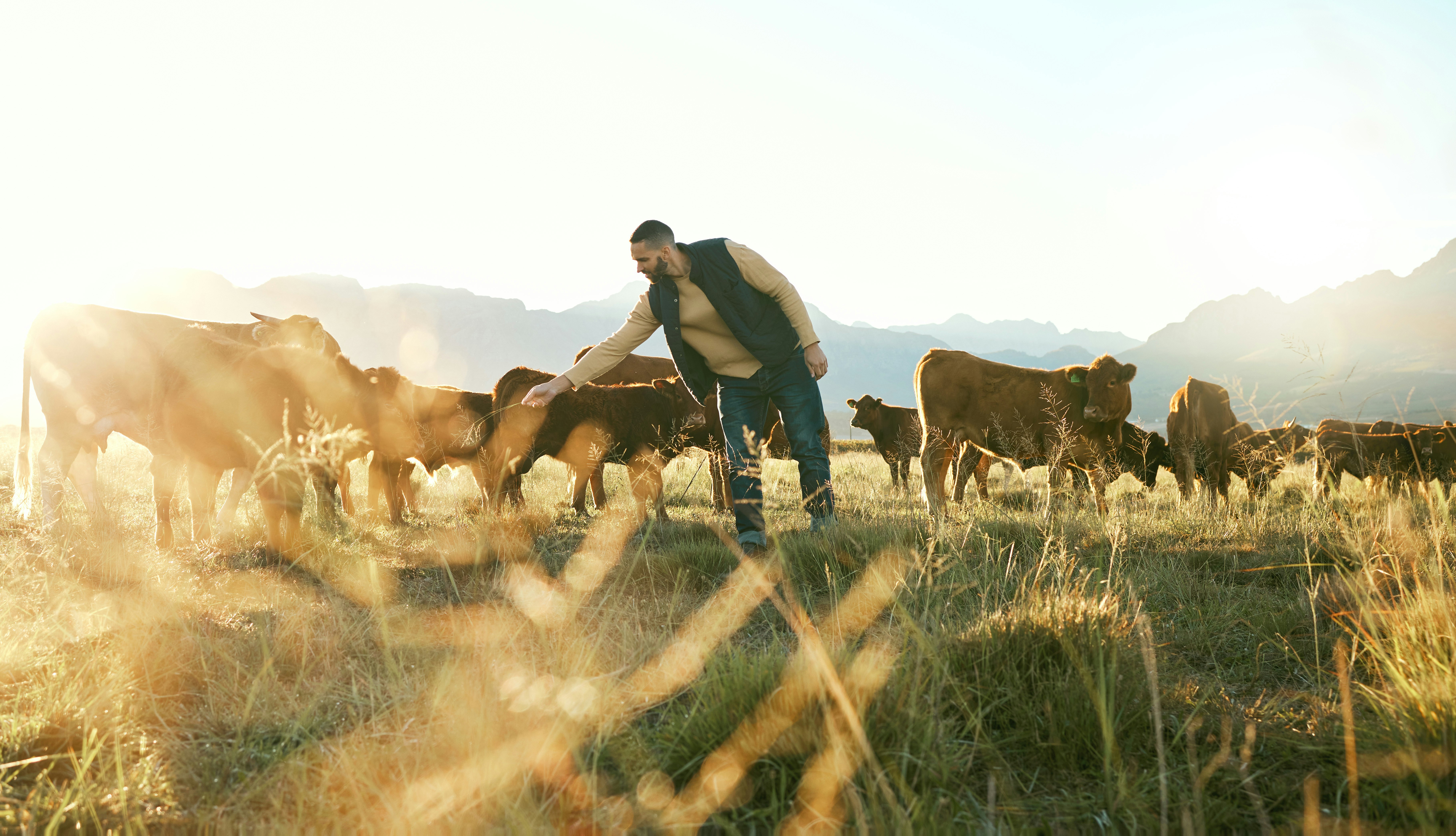
Retirement is a milestone for every Canadian, but for those whose wealth is tied to a business or property, such as farmers, it represents an intricate crossroads of business transition, family legacy, and personal fulfillment. While many Canadians plan for retirement primarily through financial vehicles like RRSPs or pensions, farmers often navigate an additional layer of complexity where succession, estate, and retirement planning are deeply interconnected. It is not just about accumulating wealth or drawing down pensions; it is about maintaining continuity, treating family members fairly, navigating emotional currents, and ensuring future financial stability in the most tax-efficient way possible.
For most Canadians, retirement planning is a familiar financial exercise: build RRSPs, contribute to TFSAs, maximize employer pensions, and draw down assets over time. For farmers, however, retirement cannot be considered without addressing how and to whom the farm will be handed down, whether to family, an outside buyer, or a mix of both. The retirement plan for a farmer often depends on the succession plan of the predecessor.
A farmer’s wealth is rarely held in liquid assets. Land, equipment, and livestock are valuable but illiquid. Selling the farm may become necessary to fund retirement, yet many farmers want to keep it in the family. The means by which the retiring generation achieves financial security—buyouts by children, retained dividends from incorporated operations, or staged repayments through formal promissory notes—are all vital discussion points. Each choice carries implications for both retirees and successors.
Succession planning is about far more than choosing a successor. It is a multi-year process of identifying future leadership, agreeing on fair compensation for all family members, and setting schedules for transferring both management and ownership. Starting these conversations well before retirement is best practice, allowing for a gradual handover and open family dialogue about expectations and responsibilities. It is essential to document all agreements in formal legal contracts, not just verbal promises. Establishing buy-sell agreements, share transfer plans, and inheritance arrangements can prevent disputes and protect family harmony down the line.
Succession should also be designed with flexibility, accounting for the possibility that heirs may not want to take on the farm. Selling to outside buyers or through young farmer financing programs may be preferable in certain cases.
Estate planning provides the legal and financial backbone for farm transition, aimed at minimizing tax, ensuring family fairness, and clarifying ownership. Lawyers, accountants, and wealth advisors can help farmers leverage provisions like the Lifetime Capital Gains Exemption (LCGE), allowing up to $1.25 million in qualifying gains to be transferred tax-free (as of 2025). Setting up intergenerational rollovers and estate freezes enables parents to lock in farm value, pass future growth to children, and secure ongoing income through preferred shares or discounted promissory notes.
Some critical estate planning questions to consider include:
- Who inherits non-farm assets?
- How are off-farm children treated fairly?
- Are insurance payouts structured to supplement retirement or equalize inheritances?
- How is succession coordinated with the will and other legal documents?
Retirement planning for farmers requires mapping out predictable income sources, both farm-derived and external. Common strategies include:
- Structured repayments from successors: When children buy the farm, the payment schedule forms the foundation of the parents’ retirement income.
- Corporate dividends: In incorporated farms, retaining preferred shares allows retiring farmers to continue receiving dividends.
- Off-farm savings vehicles: RRSPs, TFSAs, and other investments can provide additional flexibility.
- Government benefits: CPP, OAS, IPP, and PPP can create pension income for retiring farmers while supporting wealth transfer to the next generation.
A key recommendation for all farmers is to save a consistent percentage of farm earnings in off-farm, accessible accounts, starting as early as possible. This habit ensures greater financial independence and helps reduce overreliance on the farm business for retirement needs.
Farming families often face emotional challenges as they plan for retirement and succession. The transition can bring a sense of loss for the outgoing generation, conflict among siblings, and tension around differing visions for the future. Bringing in experienced advisors, mediators, or family coaches can help facilitate productive discussions and positive outcomes.
Key Considerations for Canadian Farmers
- Start Early: Begin succession, estate, and retirement planning well before the transition. Early engagement offers a broad range of strategies and fosters open dialogue among family members and advisors.
- Document Everything: Use formal legal contracts for all asset transfers, buyouts, share sales, and inheritance provisions to minimize future disputes.
- Diversify Retirement Income Sources: Build retirement income from buyouts, corporate dividends, government benefits, and personal investments. Avoid relying solely on the farm for cash flow; supplement regularly with off-farm savings.
- Optimize Tax Outcomes: Make full use of the Lifetime Capital Gains Exemption, estate freezes, intergenerational rollovers, and incorporation where appropriate. Carefully plan timing and structure with the help of a tax advisor.
- Save Consistently: Establish a routine of setting aside a portion of annual profits in RRSP, TFSA, or other investment accounts. IPP and PPP plans can be effective savings tools for farmers, blending retirement, estate, and tax planning.
- Design for Fairness: Recognize and address the needs of both farming and non-farming heirs. Consider insurance, equalizing payments, or non-farm assets to balance inheritances.
- Regularly Review and Update Your Plan: Family dynamics, markets, and tax laws evolve. Schedule periodic reviews of your documents and arrangements with professionals and family members.
- Address Emotional Needs: Acknowledge that transitions can be emotional. Create space for honest, inclusive conversations, and seek outside help when needed.
For Canadian farmers, retirement can be the ultimate test of long-term planning. By integrating succession, estate, and retirement strategies, farmers can help protect their legacy, preserve family harmony, and work toward long-term financial stability. The farm’s future and the well-being of everyone involved depend on clear goals, open communication, professional guidance, and disciplined saving.
Disclaimer
This material contains the current opinions of the author, and such opinions are subject to change without notice. This material is distributed for informational purposes only and is not intended to provide legal, accounting, tax or specific investment advice. Forecasts, estimates, and certain information contained herein are based upon proprietary research and should not be considered as investment advice or a recommendation of any particular security, strategy, or investment product. All investments contain risk and may gain or lose value. Please speak to your Nicola Wealth advisor for advice based on your unique circumstances. Nicola Wealth Management Ltd. (Nicola Wealth) is registered as a Portfolio Manager, Exempt Market Dealer and Investment Fund Manager with the required securities commissions.


